
However, it can range from very weak (0.5%) to exceptionally strong (40%). The strength of a beer depends on the amount of alcohol it contains, which is measured as alcohol by volume (ABV). ABV refers to the amount of alcohol in a 3.4-oz (100-ml) drink, expressed do liquor make you gain weight as a percentage. Wine and beer can clock in at anywhere from 120 to 200 calories per serving respectively. But what it comes down to is what you’re adding to your drink — Coke, ginger ale and juice are popular mixes, but all they do is amp up the sugar count.
- Alcoholic beverages come in many forms, including wine, beer, cider and liquor.
- The more you drink, the more you wake up to increasingly unstable moods and stress, leading you to drink (and eat) more.
- Wine and beer can clock in at anywhere from 120 to 200 calories per serving respectively.
- Vodka also has no carbohydrates, making it a preferred option for many people trying to cut out those calories.
This is because your body prioritizes the breakdown of alcohol over other sources of fuel, including stored fat. If you’re watching your weight, you should stay away from flavored liquors to avoid the added sugars. It’s unsurprising that beer and whiskey are some of the most popular beverages in the United States, given the amount of varieties of both. Its highest rating was 26 percent, in 2017 (compared to wine at 30 percent and beer at 40 percent).
Corona Light Alcohol Content: Everything You Need to Know
Research has found that elevated cortisol levels may increase abdominal weight gain. Cortisol redistributes fat tissue to your abdominal region and increases cravings for high-calorie foods. Alcohol spikes cortisol levels in https://ecosoberhouse.com/ the body, which contributes to the accumulation of belly fat. It also impedes your ability to get a good night’s sleep, further contributing to belly fat. Alcohol does not cause weight gain the same way eating a donut does.
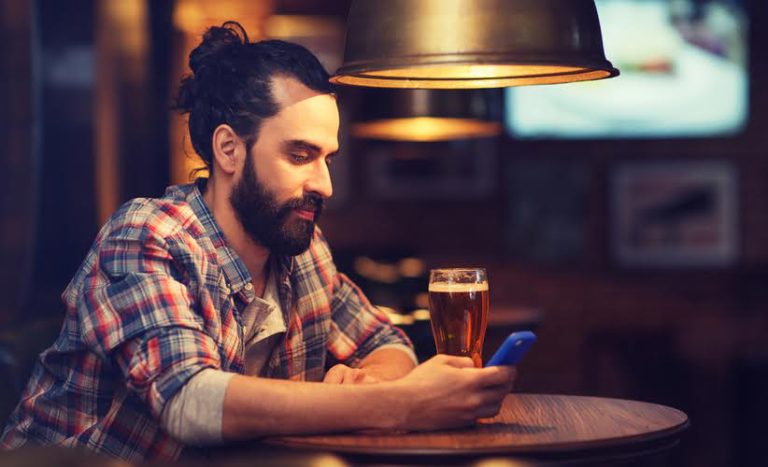
A common-sense approach is to drink very moderately, if consuming a very small amount of alcohol will make staying on the diet easier. And exercise might compensate for the extra calories so weight loss won’t be slowed. But if the alcohol leads you down a slippery slope to munching on cheese-drenched nachos and Buffalo wings, stick to club soda and a slice of lime. Some studies have linked high alcohol intake from drinks like beer to an increased risk of belly fat gain (14).
How alcohol affects your weight loss
Eliminating or reducing alcohol consumption is a common dieting behavior. Less well known, and indeed potentially harmful to the health of the dieter, is eliminating food almost entirely in order to consume alcohol. According to the National Eating Disorders Association, some individuals may suffer both from anorexia and an alcohol use disorder. They often drink rather than eat, believing that alcohol consumption will suppress their appetite. Moreover, in order to compensate for the calories ingested from alcohol, these individuals will starve themselves. Some evidence suggests that eliminating alcohol among people who drink heavily helps control weight.
If you fancy a good beer or glass of wine, chances are you’re ingesting more liquid calories than you realize. Remember the sage advice to make sure you have lots of different colors of fruits and vegetables on your plate? As you experiment with increasing the protein in your diet, consider incorporating many different sources, including plant-based foods. For example, a person who weighs 180 pounds needs between 63 and 139 grams (2 to 5 ounces) of protein per day, depending on physical activity.